5 Ways to Create a More Intentional, Local Thanksgiving
This Thanksgiving season, we’re feeling grateful for the land and seas that provide us with nourishing food, the folks who steward them, and our loved ones with whom we share meals and laughter. With so much bounty in Washington state, it can be exciting to plan a Thanksgiving gathering, or other autumnal feast, with food sourced from local growers and grocers.
Make the Most of Local Grocers
Often, you can make it a one-stop shop by visiting a local grocer for many local ingredients in a convenient place. Coops often have a wide variety of delicious soups, sides, and salads to grace your dining table, and also carry produce from local farms and ranchers, too! Check out grocers and food coops across Washington state here.
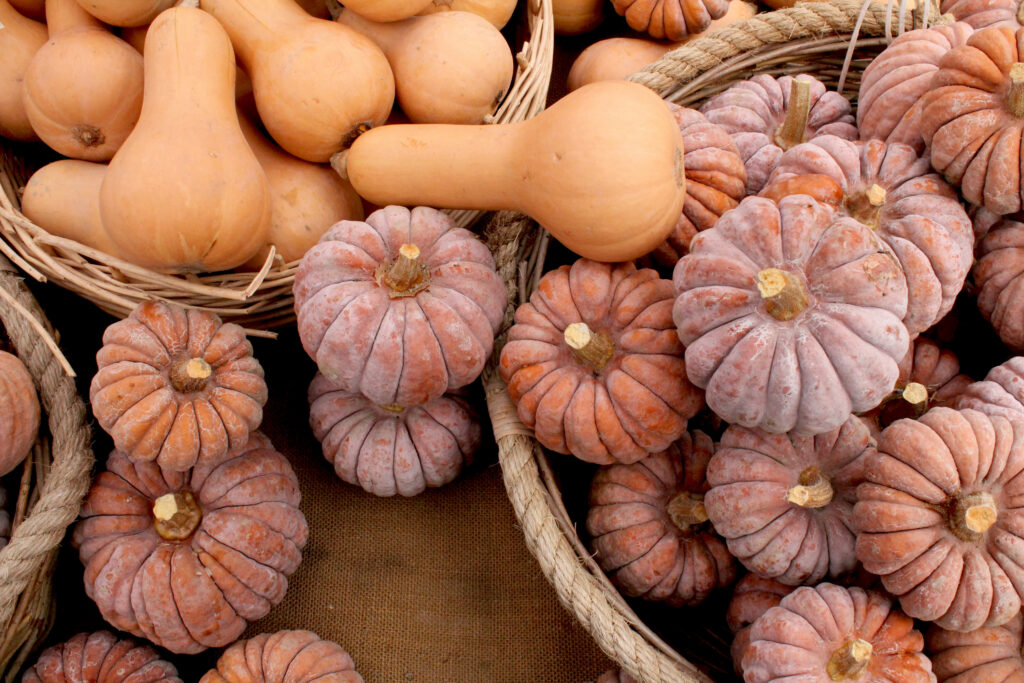
If you’re searching for vegetables and fruit straight from the source, then head to a farmers market near you (be sure to check their hours to make sure they’re open). You’ll find leafy greens, mushrooms, and winter squash galore. Speaking of winter squash, a local mindset can make your table full of delightfully surprising dishes… like an alt-pumpkin pie! Blue Hubbard squash, for example, have a sweet taste that pairs perfectly in pie – check out a recipe here!
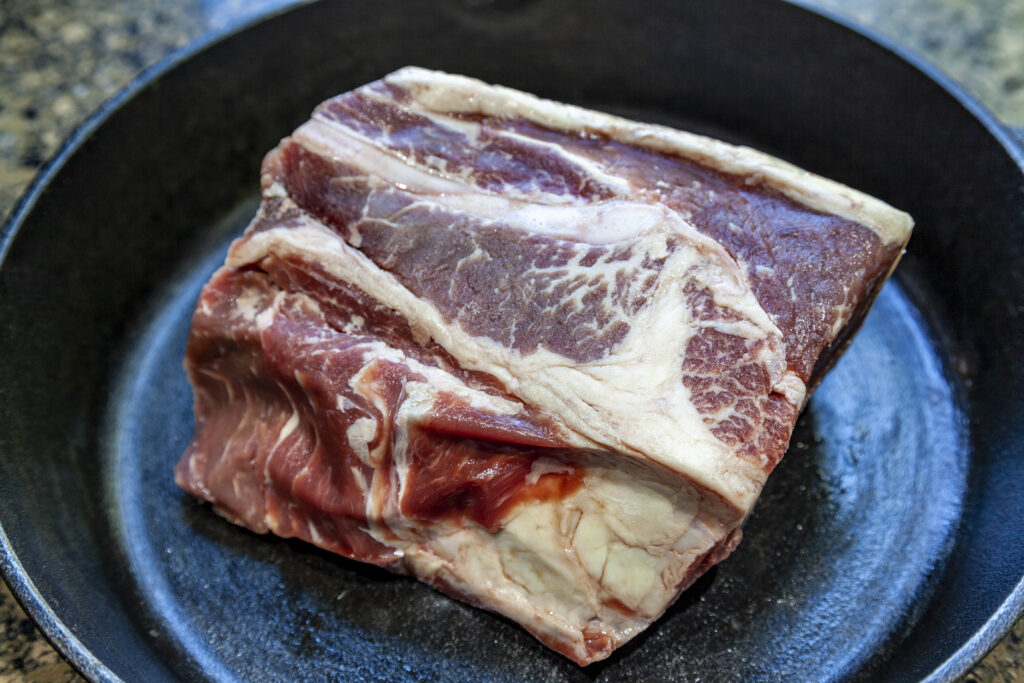
Source Local Meat
The Washington Food and Farm Finder can help you find local meat if you’re looking to go traditional for your Thanksgiving meal. Check out this link and search for meat and poultry across Washington state. Buying local meat has many benefits, including the ability to choose ethically and sustainably raised animals. In addition, many local farmers practice regenerative agriculture, contributing to a healthier environment.
Share with Your Community
While the holidays are often seen as a season of bounty and abundance, they can also highlight existing income and food access disparities in our communities. Consider donating to your local food bank if you’re able – either money or food items. Share this list of businesses that provide free food (be sure to confirm their hours and availability). There are many other creative ways to share food, from buying groceries for someone who may not receive their food benefits to volunteering at a local soup kitchen that feeds our houseless neighbors.
Shop With Your Values
When we cook, eat, and share local food during the holiday season, we’re also supporting a thriving economy. Your dollar just goes further when you invest in local businesses and farms, supporting neighbors, families, and farmers. Join us on our journey to building a resilient, equitable, community food system and consider shopping from these businesses that align with Eat Local First’s core values of environmental sustainability, racial and social equity, fair labor, animal welfare, health, and accessibility.
Acknowledge Indigenous Land Stewardship
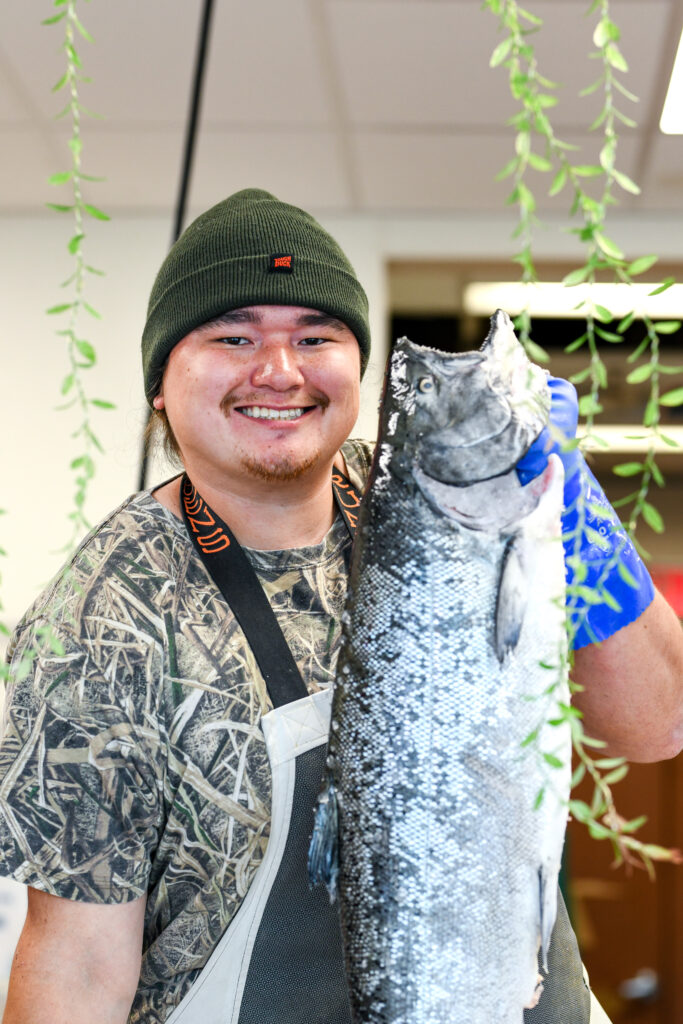
And while we acknowledge Thanksgiving as a time of gratitude, giving, and coming together, we must also acknowledge the story. Read more about origin of this holiday, why it matters, and some simple things you can do to help combat Indigenous erasure and to support Indigenous communities this holiday and beyond in Truthsgiving: The True History of Thanksgiving. Also, this article by Huffpost.com highlights a group of diverse indigenous chefs that are using their food culture to tell the correct story about the holiday.
“I know that for me and for other people who have started on this journey, it brings us so much closer to our ancestors, and I think that is important to strengthen us as people,” Echo-Hawk said. “I think that if other people outside of reservations that are not indigenous start eating what is local in their area, I think not only is it better for the environment, but it will also be better for their health.”
– Hillel Echo-Hawk